
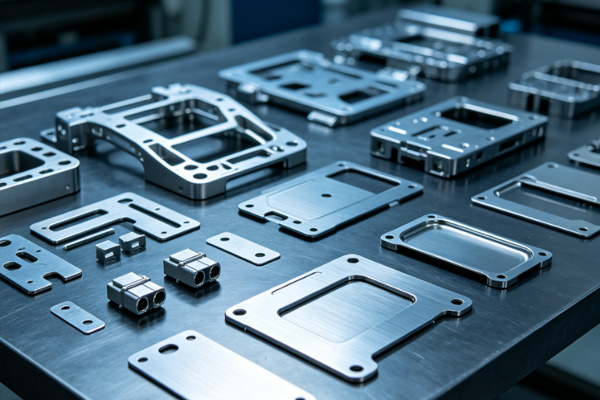
Precision stamping parts are thin-plate hardware parts, i.e. parts that can be processed by stamping, bending, drawing and other means; broadly, they are parts whose thickness does not change during processing. Their counterparts are castings, forgings and machined parts—for example, the outer metal shell of a car is a sheet metal part, and some stainless steel kitchenware is also sheet metal. There is not yet a complete definition of stamping parts; according to an article in a foreign professional journal…
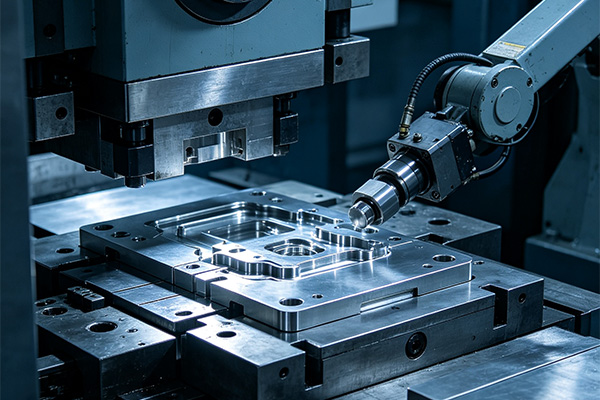
As hardware manufacturing and precision processing iterate rapidly, market requirements for dimensional accuracy, surface quality and batch consistency of components keep rising. As an upgraded technology beyond conventional stamping, precision stamping offers high precision, high finish, less secondary processing and efficient mass production, and is now widely used in high-end manufacturing such as electronics and appliances, automotive components, medical devices and aerospace, becoming one of the core processes for precision component forming.
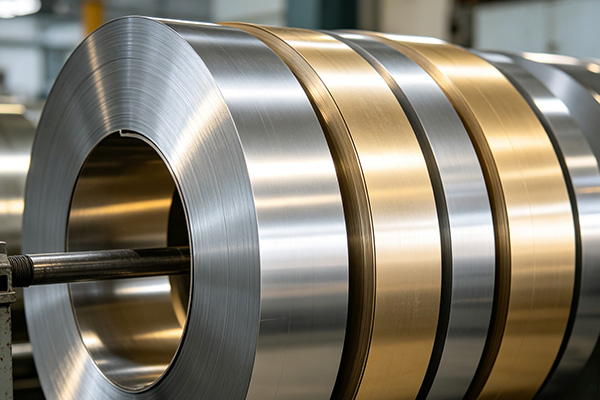
As clean energy construction continues, photovoltaic (PV) systems' demand for wire and cable keeps growing. PV wire and cable are exposed outdoors for long periods and face UV radiation, temperature changes, moisture, mechanical stress, corrosion and system voltage fluctuations. Therefore, a PV cable production line must not only complete the basic extrusion, jacketing, cabling and take-up processes, but also steadily produce items with more reliable weather resistance, insulation and mechanical strength. From the manufacturing…